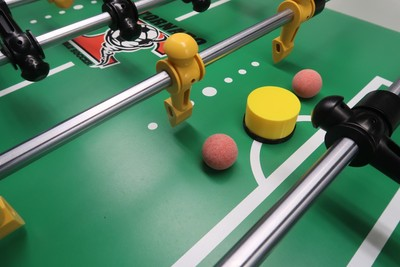
To execute a legal 50 mph snake shot, you must leverage the physics of rod acceleration (a = F/m) by using a high-mass table like the 355-lb Tornado T-3000 and low-mass hollow steel rods. The “snake shot,” or rollover, is the fastest legal maneuver in foosball; it involves pinning the ball under the player’s foot and using a rapid wrist-to-palm rotation to strike the ball with explosive velocity. Unlike illegal “spinning,” the snake shot remains within the ITSF 360-degree limit, ensuring all power is channeled into a controlled, professional strike.
What You Need: The Pro-Grade Setup
To reach professional speeds, your equipment must be able to handle extreme torque without vibrating or shifting.
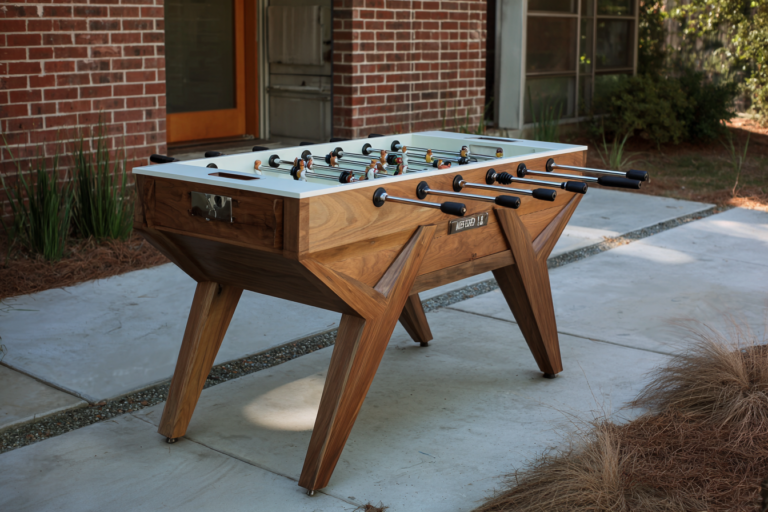
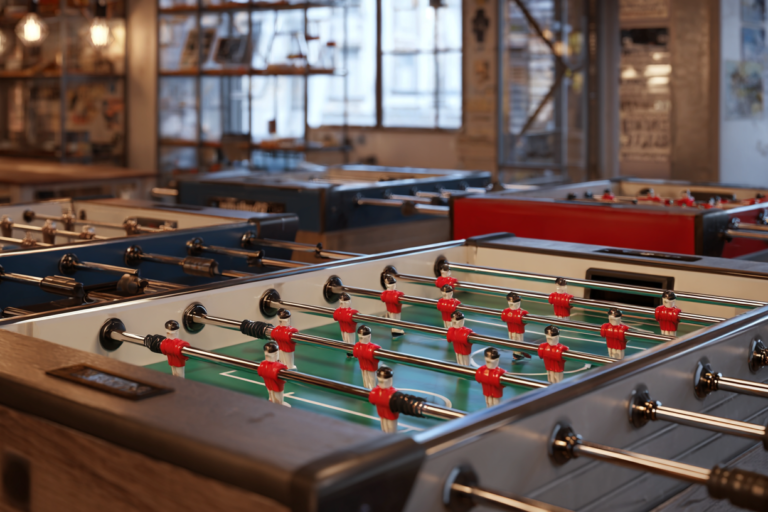
- Tournament Table: Ideally a Tornado T-3000 (355 lbs) to ensure a zero-movement foundation.
- Hollow Steel Rods: These reduce the “m” in the $a = F/m$ equation, allowing for maximum acceleration.
- Urethane Ball: Specifically designed for the “grip and slide” required for lateral maneuvers.
- Silicone Lubricant: To ensure the rods glide with zero friction.
- Wristband or Grip Wrap: (Optional) To increase friction between your skin and the handle.
The Physics of the 50 MPH Strike
Why does a 355-lb table matter? It comes down to energy preservation.
- Mass and Stability: When you snap a shot at 50 mph, you generate massive lateral force. On a light recreational table, that energy is “stolen” as the cabinet shifts or vibrates. The Tornado’s 1.5-inch thick MDF cabinet ensures that 100% of your energy goes into the ball, not the furniture.
- The Acceleration Formula: As detailed in the Professional Table Soccer Analysis, rod acceleration is expressed. By using hollow rods, manufacturers reduce (rod mass), meaning the same force ($F$) from your wrist results in significantly higher ball velocity.
Step-by-Step: Executing the Snake Shot
1. The Front Pin
Begin by “pinning” the ball directly under the toe of your center attacking player. The ball should be slightly ahead of the rod, trapped between the man’s foot and the playfield. This is where the urethane ball’s grip is essential.
2. The Wrist-Lock Position
Instead of holding the handle with your palm, place your open wrist or lower forearm against the handle. Your hand should be pointing straight down toward the floor.
3. The Lateral Slide
Move the rod quickly to the left or right. Because the ball is pinned, it will slide across the table with the player. The goal is to “walk” the ball into a gap in the defense.
4. The Rollover (The “Spin”)
Once the ball is in the shooting lane, abruptly pull your arm up. This causes the handle to roll down your palm, rotating the player 360 degrees. The foot will come around and strike the ball at the exact moment of peak acceleration.
Pro Tips: Insider Advice
The “Silicone Secret”
Never use WD-40. It eventually gums up the bushings and ruins your speed. Use 100% silicone-based lubricants to maintain that “buttery” glide required for 50 mph shots
Check our Foosball Lubricants Guide
The 360 Rule
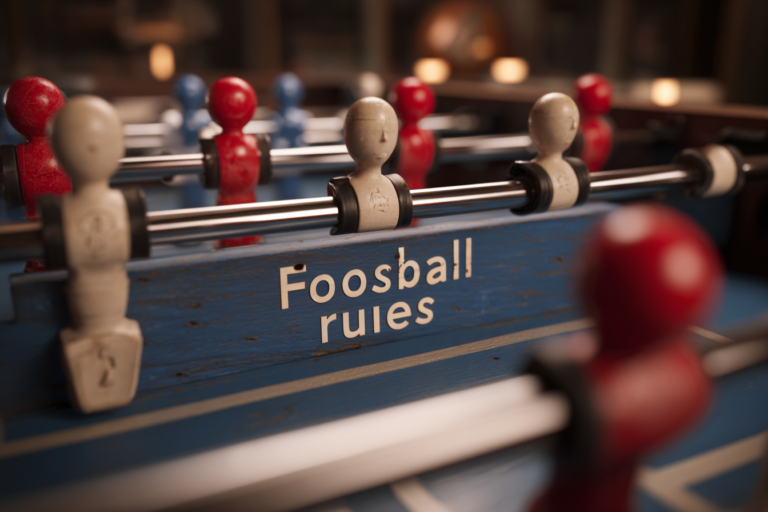
Under ITSF rules, you can rotate the rod 360 degrees before and 360 degrees after hitting the ball. To stay legal, ensure your man doesn’t do a second full “victory lap” after the goal.
Common Mistakes: What NOT To Do
- Losing the Pin: If you don’t apply enough downward pressure, the ball will “squirt” out during the lateral slide. Ensure your man is weighted correctly (Tornado’s counterbalanced urethane men are perfect for this).
- Illegal Spinning: Don’t just “whack” the rod and let it spin like a propeller. This is an automatic foul and results in loss of possession.
- Using a Slanted Table: A 50 mph shot requires a perfectly true path. Always use the heavy-duty leg levelers to ensure the playfield is flat; even a minor tilt ruins the physics of the snake.
- Dirty Playfield: Dust or spilled drinks increase friction in the wrong places. Professional players clean the playfield and use fresh balls for every major match to ensure consistent grip.
Ready to try it? Start slow to master the “roll,” then add speed. Once you feel the 355-lb cabinet stay dead-still during a power strike, you’ll never go back to “toy” tables again.