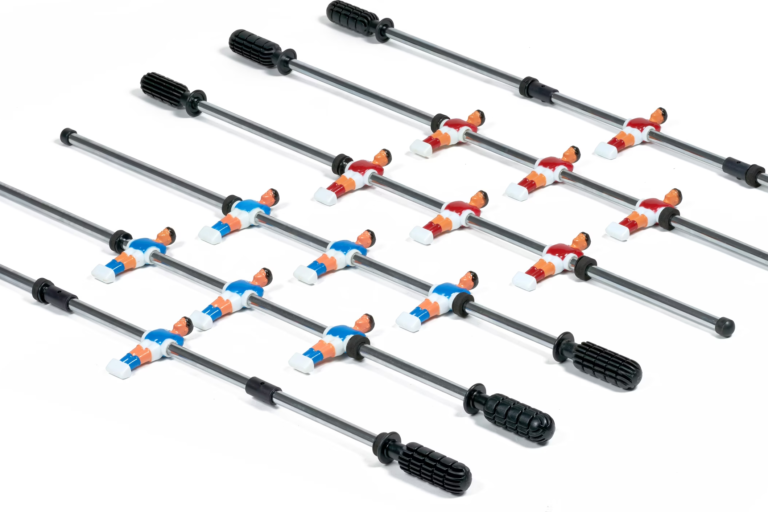
If you are still using those hard, shiny plastic balls with the “soccer” pattern, stop. You aren’t playing foosball. You’re playing air hockey with rods. Cheap plastic slides like ice on a rink. You can’t “pin” the ball. You can’t execute a controlled snake shot. It’s frustrating.
Switching your foosball table balls
The single fastest and cheapest upgrade you can make. It transforms a dusty basement toy into a precision instrument. You have options. You might want the tacky grip of a tournament-grade urethane ball. Or perhaps you prefer the classic finesse of European cork. Either way, the right choice gives you control. Stop chasing a sliding piece of plastic and start playing the game properly.
Quick Verdict: The Top Picks
| Category | Product | Key Benefit |
| Best Overall (American Pro) | Bravatto Professional | Red urethane for high visibility and elite control. |
| Best for Precision Passing | Fooz Headz Pro | Proprietary urethane blend for a perfectly straight roll. |
| The Industry Standard | Tornado Tournament Red | Precision-ground to .001″ for the truest roll in the sport. |
| Best for Finesse/Quiet Play | Bonzini Yellow Cork | Maximum grip for “pin shots” and reduces noise for home use. |
[BUTTON: Check Price on Amazon]
1. Bravatto Professional Foosball Balls (Red)
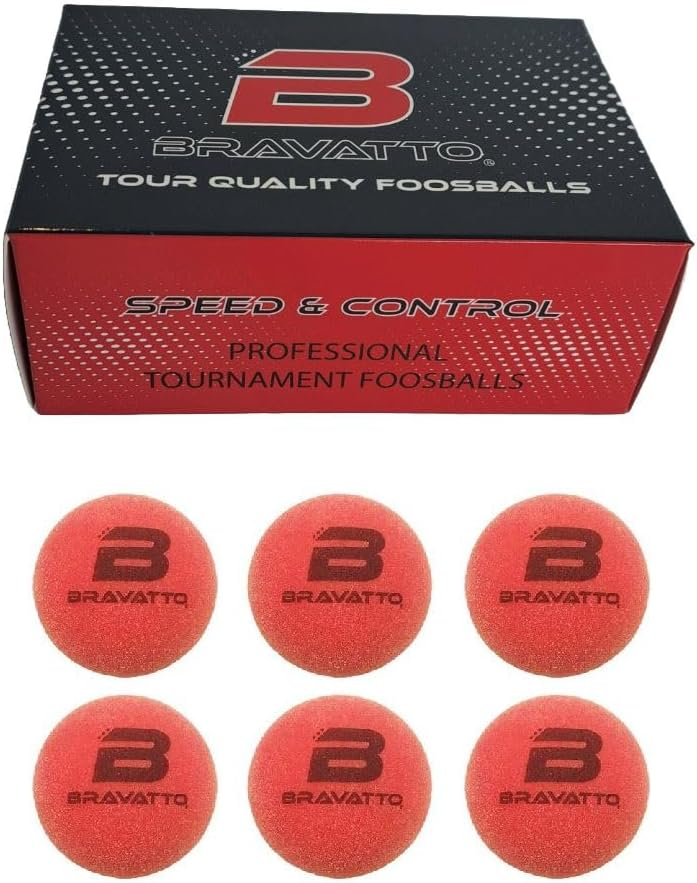
Best For: Competitive players and high-traffic sports bars.
Why We Love It: These are the ultimate “Tornado-style” alternatives. Crafted from high-quality urethane, the Bravatto balls offer the official regulation size and weight required for serious practice. The red color isn’t just for style; it provides massive visibility during high-speed 50 mph matches. We love the “grip-slide” balance—it’s tacky enough for a front pin but smooth enough for a lightning-fast pull shot.
One Drawback: They are a “pro” investment; casual players might find the price higher than a bag of generic white plastic balls.
2. Fooz Headz Professional Foosballs
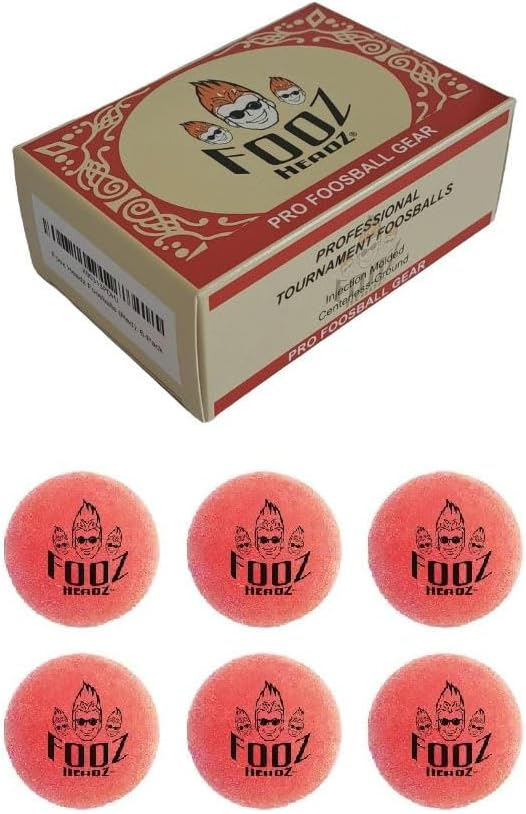
Best For: Technical practice and community center tables.
Why We Love It: Fooz Headz uses a proprietary urethane blend that is specifically designed to roll straight and stop “wobbling”. If you’ve ever had a ball drift to the side during a slow setup, you know how annoying that is—these solve it. They grip the feet of the players better than almost any “off-brand” ball, making precision banking and technical tricks much easier to pull off.
One Drawback: Some users mention they have a very “firm” feel, which can be noisy on thinner, budget-style table surfaces.
3. Tornado Tournament Red (Urethane)
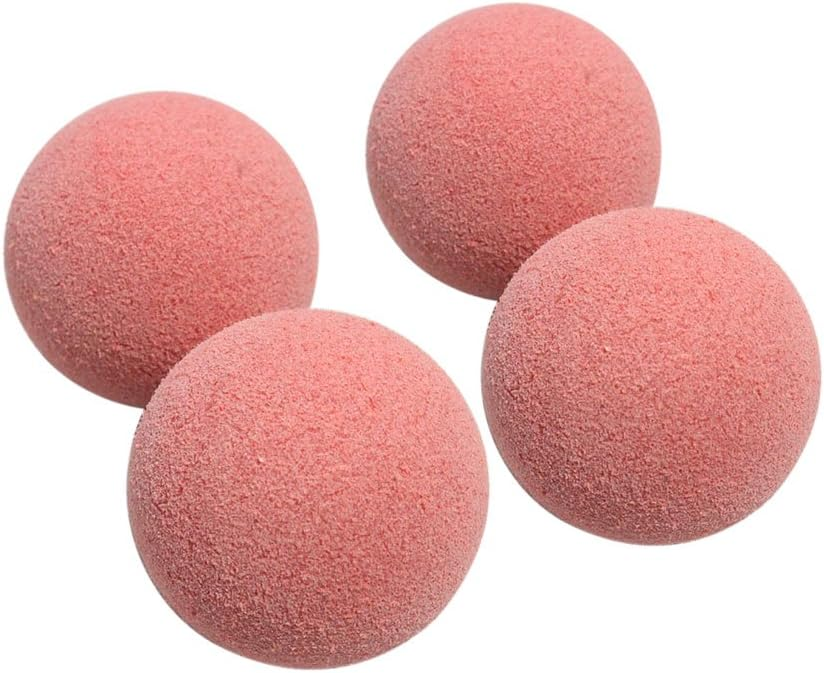
Best For: Professional tournament practice.
Why We Love It: This is the legendary “Red 5hr TOUR” ball. It is “tumbled” for five hours to create a specific textured surface that provides the most consistent grip in the world. It is virtually indestructible and precision-machined for perfect symmetry.
One Drawback: They take a few games to “break in.” When brand new, they can feel a bit fuzzy or slow until the surface settles.
4. Bonzini Yellow Cork (Heavy)
Best For: Families and players who need a quieter game room.
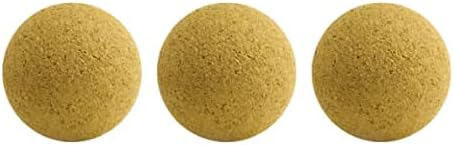
Why We Love It: Cork is the “traditional” choice for European Babyfoot tables. Because the material is softer than urethane, it significantly reduces the “clattering” noise of the game—perfect for late-night matches. The yellow dyed version is harder and heavier than natural cork, giving you better speed without losing that signature “suction” grip for pin shots.
One Drawback: Cork eventually crumbles. If you play aggressively every day, expect to replace these every few months.
Buying Guide: 3 Things to Check
- Material Construction: Always look for 100% Urethane if you want the American pro feel. Avoid “High-impact Polystyrene” or standard plastic if you want ball control.
- Size Matters: Standard tables (4’6″ to 5′) require a 34mm to 35mm ball. Junior tables need smaller 31mm balls.
- Weight (The “Inertia” Factor): A tournament-legal ball should weigh between 22g and 26g. Anything lighter will fly off the table; anything heavier will feel like you’re kicking a rock.
FAQ
Q: Why are my balls sliding and impossible to catch?
A: You likely have generic plastic balls or your urethane balls are dirty. Finger oils and dust create a slick film. Wash them in warm, soapy water to restore their “factory grip”.
Q: Can I use these on any table?
A: Yes, pro balls like Bravatto and Fooz Headz are official regulation size and will play great on everything from home models to commercial arcade tables.
Q: How many balls do I need?
A: Always buy a set of at least 6. Between intense matches and high-velocity shots, balls will go flying behind the furniture.
Ready to level up your game?